Climate anomalies are no longer the exception but the norm for the agricultural sector. Droughts, late frosts, and extreme precipitation threaten crop yields. Today, they require not adaptation, but a rethinking of approaches to crop cultivation. Therefore, upgrading the machinery fleet is becoming a strategic necessity for agribusiness profitability and a tool for farms to survive challenging weather conditions.

Older, less productive machines no longer meet tight agricultural deadlines. Missing favorable weather windows leads to poor soil cultivation, untimely sowing, and, consequently, reduced yields.

Fyodor Dereka, acting Minister of Agriculture and Processing Industry of the Krasnodar territory, said at the exhibition Gold Niva in the
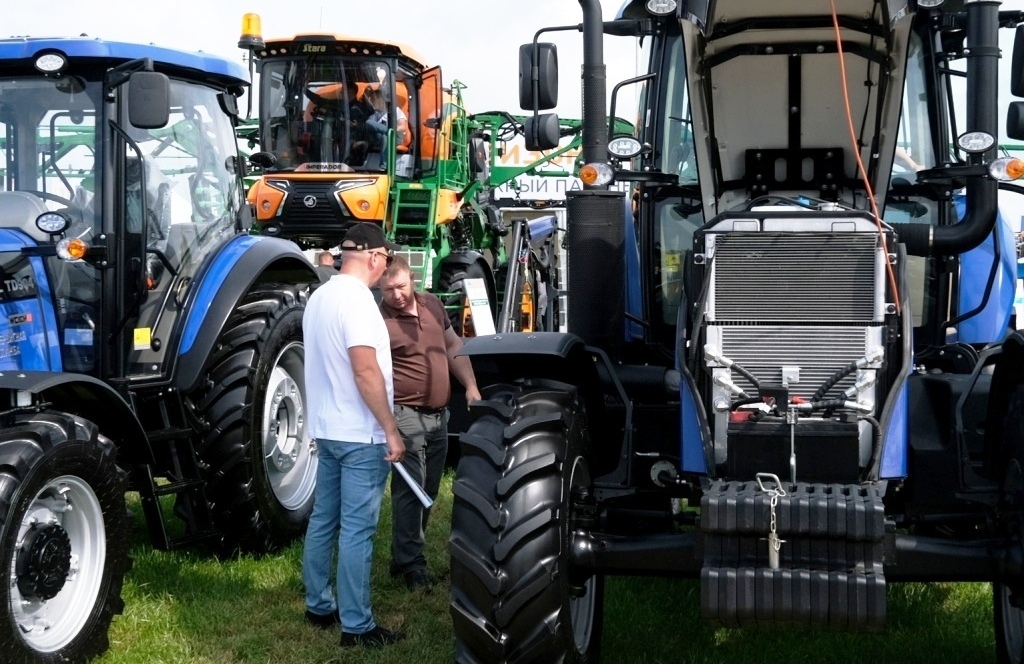
The advantage of the new equipment is energy efficiency and reduced losses. Modern tractors and combines are more productive and consume less fuel, which is important given rising fuel prices. The introduction of

Agricultural machinery capable of helping the

The tillage equipment on display at the holding company is designed for various farming technologies. Farmers selected plows, cultivators, harrows, mulchers, and rollers to complement their tractors. Also on display are precision seeders, loaders, forage harvesters,

Agricultural workers agree that upgrading their agricultural machinery fleet is an investment in the sustainability of agribusiness. In challenging weather conditions (droughts, extreme rainfall, sudden temperature fluctuations, and unstable growing seasons), modernization can provide farmers with flexibility, speed, and efficiency, laying the foundation for maintaining and increasing production volumes. In an era of climate change, new equipment can offset the negative impact of weather, transforming it from an uncontrollable risk into a manageable challenge.
Share news
Download the mobile app